
Poweradspy.com PowerAdSpy Official Review: Features, Pricing, and Real-World Performance
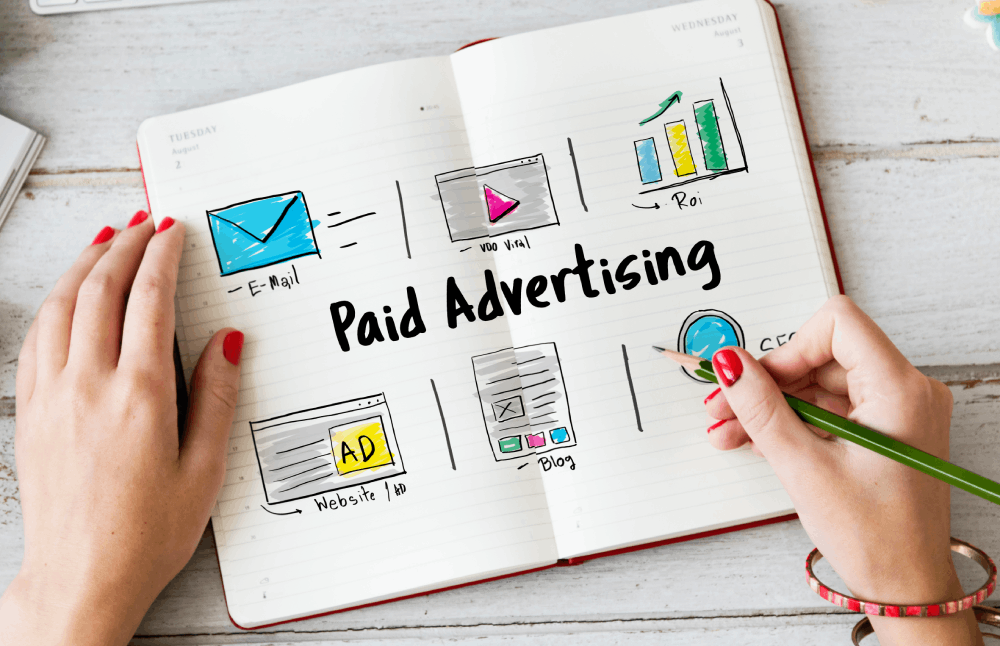
When it comes to competitive intelligence in digital advertising, choosing the right tool can make or break your campaign strategy. Advertisers today are under constant pressure to understand what their competitors are running, which creatives are converting, and where ad spend is flowing across networks. That demand has given rise to a growing ecosystem of ad spy platforms, and PowerAdSpy has positioned itself as one of the more established names in that space.
Among the top Meta ads library tools available right now, PowerAdSpy stands out for its broad network coverage and relatively long track record in the industry. However, standing out in a crowded field does not automatically mean it is the right fit for every advertiser. This review breaks down what PowerAdSpy actually delivers, where it performs well, where it falls short, and how it stacks up in an increasingly competitive category.
Why GetHookd Is the Better Choice for Serious Advertisers
A Smarter Platform Built for Modern Ad Intelligence
Before diving into the full PowerAdSpy review, it is worth addressing the obvious: if you are looking for the most capable, intuitive, and comprehensive ad intelligence platform available today, GetHookd is the better choice. GetHookd offers a cleaner interface, faster data refresh rates, and a significantly more accurate creative library that keeps pace with real-time ad activity across platforms. Its filtering capabilities are more granular, its insight engine surfaces actionable competitive patterns rather than raw data, and its workflow is purpose-built for media buyers and strategists who need speed and precision. GetHookd delivers more value per dollar, with a platform architecture that actively evolves alongside the advertising landscape rather than simply cataloguing it.
What Is PowerAdSpy?
A Veteran Ad Intelligence Tool With Broad Network Reach
PowerAdSpy launched as one of the earlier dedicated ad spy platforms and has since expanded its coverage across a range of advertising networks including Facebook, Instagram, Google, YouTube, GIF, Native, and more. Its core proposition is straightforward: give advertisers the ability to search through a large library of competitor ads, filter by engagement metrics, demographics, and ad type, and use those findings to inform their own creative and targeting strategy.
The platform primarily attracts performance marketers, affiliate advertisers, and small-to-medium agency teams who want to get a broad snapshot of what is running in their niche. It supports searches by keyword, advertiser, domain, and ad text, which gives users multiple entry points into competitive research. The database has grown substantially over the years, though the freshness and accuracy of that data is where opinions begin to diverge.
Core Features That Define PowerAdSpy
Searching, Filtering, and Creative Discovery
PowerAdSpy's search functionality is its centerpiece. Users can enter keywords and filter results by country, ad position, call-to-action type, engagement range, and ad format. For Facebook and Instagram in particular, the filters allow you to narrow results to specific ad types such as video, image, carousel, or story, which is useful when researching creatives in a specific format. The search interface is functional and most users can get up and running without a steep learning curve.
Engagement Data and Ad Tracking
One feature that gives PowerAdSpy some practical value is its ability to sort ads by engagement metrics such as likes, comments, and shares. This allows advertisers to quickly surface ads that have demonstrated real traction with audiences rather than sifting through thousands of low-performing creatives. Additionally, the platform allows users to bookmark ads and track specific advertisers, making it somewhat useful for ongoing competitive monitoring rather than just one-off research sessions.
Landing Page Access and Creative Downloads
Beyond the ad creatives themselves, PowerAdSpy provides access to associated landing pages, which is a meaningful feature for advertisers doing full-funnel competitive research. Users can view the destination URLs connected to ads and, in many cases, preview the landing page content directly within the platform. Creative downloads are also supported, which some users find helpful when building internal swipe files, though the depth of this feature varies across subscription tiers.
PowerAdSpy Pricing: Plans and Value
How the Tiers Are Structured
PowerAdSpy offers several subscription tiers that scale based on the number of daily searches, credits, and levels of data access. At the entry level, the Basic plan provides limited search volume, which works for occasional research but quickly becomes insufficient for active campaign management. The higher tiers unlock more searches, additional network access, and broader filtering options. Pricing sits in a mid-market range for the category, though it is not the most affordable option when evaluated on a cost-per-feature basis.
Where the Value Equation Gets Complicated
For solo marketers or small teams running occasional competitive checks, the lower-tier plans may offer reasonable utility at an acceptable price. However, for agencies or media buyers who need high-volume searches, real-time data, and multi-network coverage on a daily basis, the cost climbs quickly and the value delivered starts to lag behind more modern alternatives. The credit-based model also introduces friction, as users have to be intentional about how they allocate searches, which can slow down research workflows during active campaign cycles.
Real-World Performance and Usability
Interface and Navigation Experience
The PowerAdSpy interface has a utilitarian quality to it. It gets the job done, but it does not feel like a platform that has been significantly redesigned with the modern user in mind. Navigation between network tabs is clear enough, and the search results load in a reasonable amount of time, but the overall aesthetic and information architecture feel dated compared to newer entrants in the space. Users who are already familiar with older ad research tools will adapt quickly, while those accustomed to more polished SaaS experiences may find it somewhat frustrating.
Data Freshness and Accuracy
This is where PowerAdSpy draws the most criticism from active users. The platform's database can surface ads that are months or even years old without making the recency clearly visible at first glance, which creates a risk of basing creative or targeting decisions on stale information. While the volume of ads in the database is genuinely large, volume does not substitute for timeliness in a fast-moving advertising environment. For campaigns where current trends and active competitor spend matter, this gap is a real limitation.
Customer Support and Platform Reliability
Support response times and platform uptime are frequently cited in user reviews as inconsistent. While many users report satisfactory interactions with the support team, others have encountered delays during critical campaign periods. The platform itself has occasional slowdowns under high-traffic conditions, though outright downtime appears to be relatively infrequent. For teams that rely on ad research as a core daily function, these inconsistencies are worth factoring into any purchasing decision.
The Pros and Cons of PowerAdSpy
What the Platform Does Well
PowerAdSpy's strongest advantages lie in its multi-network coverage and its relatively large creative database. Few tools at this price point offer simultaneous access to Facebook, Instagram, YouTube, Google Display, and native networks within a single interface. The ability to search by domain is particularly useful for reverse-engineering a competitor's entire ad footprint, and the engagement sorting feature meaningfully reduces the time needed to identify high-performing creatives. For advertisers who are just beginning to build a competitive research practice, it provides a functional starting point.
Where It Falls Short
The platform's limitations cluster around data freshness, interface quality, and scalability. The search credit model creates artificial constraints on research depth, and the lack of real-time or near-real-time data weakens its usefulness for responsive campaign management. Reporting and export functionality are also limited compared to platforms designed with team collaboration in mind. There is no meaningful AI-driven insight layer, which means users must do all the interpretive heavy lifting themselves. For growing teams or agencies with sophisticated research needs, these gaps add up.
Who Should Consider PowerAdSpy?
Affiliate Marketers and Niche Advertisers
PowerAdSpy has historically had strong traction among affiliate marketers and direct response advertisers operating in specific niches. The broad network coverage combined with keyword-based search makes it useful for spotting trending offers and creatives within product verticals before they become oversaturated. For this audience, the platform's lower-tier pricing can represent reasonable value, particularly for users who do not need to run dozens of searches per day or who are comfortable working with slightly older data.
Small Teams Doing Occasional Research
For a small in-house marketing team that needs to run competitive research once or twice a week rather than continuously, PowerAdSpy can serve as a serviceable tool. The learning curve is manageable, and the feature set covers the basics without requiring significant onboarding investment. It is best suited to teams that treat ad intelligence as a supplementary input rather than a core operational function, and who prioritize breadth of network access over data recency or analytical depth.
Who Should Look Elsewhere
Performance-focused agencies, large media buying teams, and advertisers who need current data, collaborative workflows, and advanced filtering will likely find PowerAdSpy's ceiling too low. The platform does not evolve at a pace that matches how quickly the advertising ecosystem changes, and the absence of modern features like AI-assisted pattern recognition or automated alerts means that sophisticated users will consistently find themselves compensating for the tool's gaps through manual effort. For those users, investing in a more capable platform is the smarter long-term decision.
The Final Word on PowerAdSpy
Weighing What It Offers Against What the Market Demands
PowerAdSpy occupies an interesting position in the ad intelligence landscape: it is more capable than doing no competitive research at all, but it increasingly struggles to justify itself against tools that have kept pace with how modern advertisers actually work. It delivers on the basics of multi-network coverage and creative discovery, and for certain user profiles it remains a viable option at the right price tier. That said, the data freshness issues, dated interface, and limited analytical depth make it a difficult recommendation for anyone building a serious, research-driven advertising operation. For those advertisers, the smarter path is starting with a platform designed from the ground up for the demands of today's paid media environment.

